
The Rothschild name has been synonymous with enormous riches, skilled banking, and—thanks to conspiracy-minded narratives—secret worldwide influence for two centuries. The Rothschilds, a Jewish banking dynasty that established a global financial network in Frankfurt in the 18th century, had a significant impact on European finance in the 19th century. However, what is the current appearance of the Rothschild family? This article explains the family’s present operations, distinguishes history from exaggeration, and discusses why conspiracy theories continue to center around the Rothschilds.
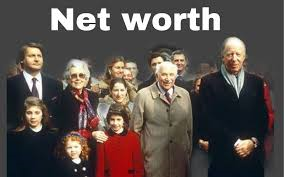
A little reminder of the past
The Rothschild financial dynasty began with Mayer Amschel Rothschild (1744–1812), who established a banking firm and dispersed his five sons throughout Europe (Frankfurt, London, Paris, Vienna, Naples). The family created financial innovations of the 19th century, including as government bonds, international finance, and structured family networks, and amassed substantial wealth and power during their lifetime. However, the romanticized idea of all-powerful authority has only grown stronger since the 19th century.
Today, who are the Rothschilds?
The Rothschilds are no single monolithic entity but an extended, dispersed family with multiple branches and varying levels of wealth and public prominence. Today’s family members are involved in finance, investment, philanthropy, viticulture, art, conservation, and other private enterprises. Some key points:
- Decentralized branches: The original branches (English, French, Austrian, and others) evolved into separate family businesses and holdings. Over generations, marriage, inheritance, and professional diversification produced many distinct entities, some retaining the Rothschild name commercially, others operating more quietly.
- Wealth and scale: While some Rothschild descendants remain very wealthy, the family’s collective fortune is not the single epicenter of global finance. Many family assets have been divided over generations; modern global wealth is far more diffuse and institutionalized (large corporations, sovereign wealth funds, private equity).
- Banking and finance: The family’s banking legacy persists in institutions such as Rothschild & Co (a global financial advisory and asset management group headquartered in Paris and London). Rothschild & Co continues to be a respected boutique advisory firm in mergers & acquisitions, restructuring, and wealth management, competing with other global advisory boutiques.
- Investments and private enterprises: Family members run and invest through various family offices and private companies. These investments span real estate, energy, vineyards (notably Château Lafite-related holdings and other prestigious wineries), agriculture, and boutique financial services.
- Philanthropy and cultural patronage: The Rothschilds have long engaged in philanthropy—supporting education, science, the arts, medical research, historic preservation, and Jewish communal institutions. Family foundations and charitable trusts fund cultural institutions, conservation projects, and academic initiatives.
- Private life and low-profile members: Many Rothschild descendants prefer privacy, pursuing professional careers outside the family brand (law, medicine, tech, arts) and avoiding public attention.
Rothschild & Co — the most visible modern face
One of the most publicly recognized Rothschild businesses is Rothschild & Co (formerly NM Rothschild & Sons in London and Rothschild in Paris). Key facts:
- Services: Financial advisory (M&A), strategic advisory, wealth and asset management, and merchant banking services.
- Structure: Operates as a publicly listed company (on Euronext Paris) with significant family ownership and involvement, although it functions like other professional financial advisory firms.
- Reputation: Known for long-term client relationships and discreet advisory services, not for controlling global policy.
Why conspiracy theories persist
The Rothschilds are frequent targets of conspiracy theories alleging secret control over global finance, governments, and world events. Several factors explain why these myths endure:
- Historical prominence: The family’s early success and visibility made them an obvious symbol for critics of finance, nationalism, or anti-Semitic tropes.
- Anti-Semitic roots: Many conspiracies about the Rothschilds draw on older, deeply harmful anti-Semitic themes that falsely portray Jewish people as controlling global affairs. These narratives are dangerous and untrue.
- Opaqueness of wealth: Large private fortunes and discreet family offices create a perception of secrecy that conspiracy theorists exploit.
- Cultural shorthand: “Rothschild” has become a convenient shorthand for elite power in popular discourse—even when inaccurate.
Separating fact from fiction
- Fact: The Rothschild family founded influential banks and played a major role in 19th-century European finance. Descendants still hold substantial wealth and operate legitimate businesses and philanthropic ventures.
- Fiction: The Rothschilds do not secretly control world governments, central banks, or the entirety of global finance. Contemporary financial power is widely distributed among multinational corporations, institutional investors, central banks, and sovereign wealth funds.
- Fact: Rothschild & Co is a reputable financial advisory firm, but it competes in a commercial market and does not act as a hidden global government.
- Fiction: Claims of a cohesive, intergenerational conspiracy involving thousands of actors and spanning nations are implausible and unsupported by credible evidence.
Real concerns about elite influence (that aren’t conspiratorial)
While large-scale Rothschild conspiracies are false, it’s legitimate to scrutinize concentrated economic power and elite networks more broadly:
- Wealth concentration: Inequality and the influence of very wealthy individuals or families on politics and policy are real democratic concerns.
- Private influence: Philanthropy, private foundations, and donor networks legitimately shape public life; transparency and accountability debates are warranted.
- Lobbying and corporate power: Corporations, lobbying groups, and wealthy donors can shape legislation and regulation—this is distinct from a single-family conspiracy and is demonstrable through public records.