
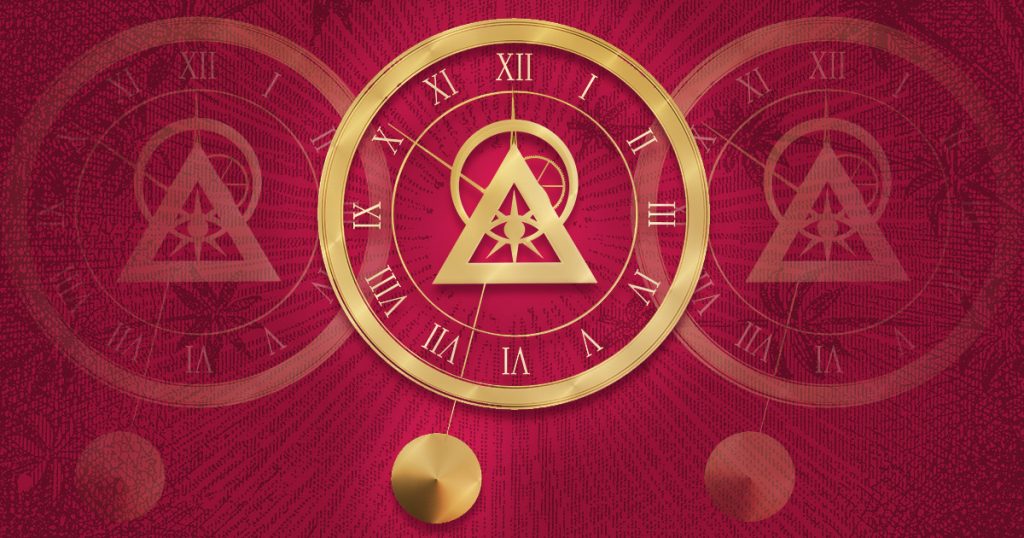
The Pendulum of Power
Humanity is living through a period of profound transition.
Change, when distant, feels abstract. But when it presses close—when structures shift and certainties loosen—fragility becomes visible. Stability is easiest to appreciate when it is uninterrupted. Uncertainty reminds us how carefully balanced human systems truly are.
Periods of upheaval have marked every era of history. The question has never been whether change will come, but whether humanity can adapt without fracturing itself in the process.
Balance Through Opposition
Power has never been static. Across centuries, leadership has passed through countless hands, shaped by circumstance, resistance, and reform. Like a pendulum, authority moves between opposing forces—each correcting the excesses of the other.
This movement is not a flaw in human governance; it is a safeguard.
When power swings, balance is preserved. When it freezes, systems fail.
No side holds a monopoly on truth, and no perspective is without limitation. Stability emerges not from dominance, but from tension held in equilibrium.
The Importance of Peaceful Transition
The peaceful transfer of power remains one of humanity’s most essential achievements. It allows societies to correct course without collapse, and dissent to exist without destruction.
Criticism plays a necessary role in this process. It restrains authority and prevents concentration from becoming tyranny. Yet criticism loses its value when it abandons perspective and reduces complexity to caricature.
Leaders are human. They are shaped by information, pressure, and consequence. To imagine any leader as wholly virtuous or wholly malicious is to misunderstand the nature of responsibility itself.
Perspective Over Assumption
A useful question has echoed through political thought for centuries: Cui bono? Who benefits?
What incentive would any leader have to destroy the very population that grants them authority? What system survives by undermining its own foundation?
Public perception captures only a fragment of reality. Decisions that appear simple from a distance often carry consequences invisible to those not bearing their weight.
This does not place leaders beyond accountability—but it does demand humility in judgment.
Responsibility and Choice
Those who believe they could govern more wisely are free to pursue that responsibility. Leadership is not inherited by opinion, but earned through sustained effort, accountability, and public trust.
Every generation reshapes its institutions. Every society redefines its direction. This process is slow by design, because endurance favors stability over impulse.
Time reveals outcomes more clearly than outrage ever could.
Continuity Beyond Change
Humanity has endured far greater trials than those it faces today. Civilizations have risen and fallen, borders have shifted, and names have faded—yet the species continues forward, refined by adversity rather than erased by it.
Though opinions divide, survival requires unity at the highest level: the recognition that humanity’s future outweighs temporary disagreement.
Leadership will change. Systems will evolve. But the larger motion continues.
When uncertainty grows loud, step back far enough to see the full arc of history. Balance has always returned—not because it was guaranteed, but because it was defended.
Observe carefully. Judge patiently. Trust continuity over fear.
We remain committed to humanity’s long view.